October 10, 2026




Most DIY jobs don't fail loudly. They fail quietly: a joint that weeps behind a cupboard, a screw that splits a hinge, a tile that lifts six weeks after the grout goes off. None of it looks like a problem on the day, which is exactly why these mistakes keep getting made. Almost every one of them is avoidable, and the fix usually costs less than the repair it prevents. Here are the ten blunders that drain homeowners' wallets, and what to do instead.
The expensive mistakes are rarely the dramatic ones. They are the shortcuts that look fine for six months.
Mistake 1: working without isolation valves. Turning off the mains to change a tap washer means the whole house loses water, and if something goes wrong mid-job you're standing there with a live pipe and a towel. Fit a small isolating valve on the feed to every tap, toilet and appliance while you have the tools out. They go straight onto 15mm copper or push-fit pipe and take a few minutes each. Buy them before you need them, not while a pipe is spraying.
Mistake 2: not knowing where the stopcock is. When a pipe lets go at ten at night, hunting through a dark cupboard for the stopcock is how a small leak becomes a ceiling. Find it now, label it, and check that it turns. Exercise it twice a year, because stopcocks seize solid, and a seized one has to be replaced before anything else can be fixed. Then show everyone in the house where it is.
Mistake 3: treating compression fittings like wheel nuts. A crushed olive will weep, and a split nut means a second trip to the merchant plus a wet floor. Tighten by hand, then a quarter to half turn with a spanner while holding the fitting steady with a second spanner, so you don't twist the pipe. PTFE tape belongs on the olive or on a tapered thread; wrapping the parallel threads of a compression nut does nothing useful and can disguise a leak. If it still weeps, don't lean harder. Take it apart and look at the olive.
Mistake 4: driving every screw home. Cordless drivers make this easy and expensive. Split door stiles, stripped hinge threads, cracked tiles and porcelain all come from the last half-turn. Drill a pilot hole, set the clutch low, and stop when the head bites flush. If the screw suddenly gives, back it out, squeeze wood glue into the split, clamp it and start a fresh hole a little further along.
Mistake 5: cutting to a number you half-remember. Measure twice, cut once is old advice because it works. Check the gap at both ends before you cut — rooms are rarely square and walls are rarely parallel, so a shelf that fits at skirting level can be too long at the ceiling. For repeated cuts, make a story stick from an offcut and mark everything from that.
Mistake 6: forgetting that materials move. Laminate needs an expansion gap at every wall, tiles need a perimeter joint, and timber swells with the seasons. A floor laid tight into a corner will lift or buckle within a year. Check the manufacturer's recommended figure for your product and leave the gap — a length of scotia or skirting hides it afterwards.
Mistake 7: drilling blind. Pipes and cables sit in predictable zones, running vertically and horizontally from sockets, switches and taps, but that's a guide, not a guarantee. Use a cable and pipe detector, check both sides of the wall, and look for clues such as radiator valves or a boiler on the other side. A drill bit through a heating pipe means draining the system, lifting floorboards and paying someone else to sort it.
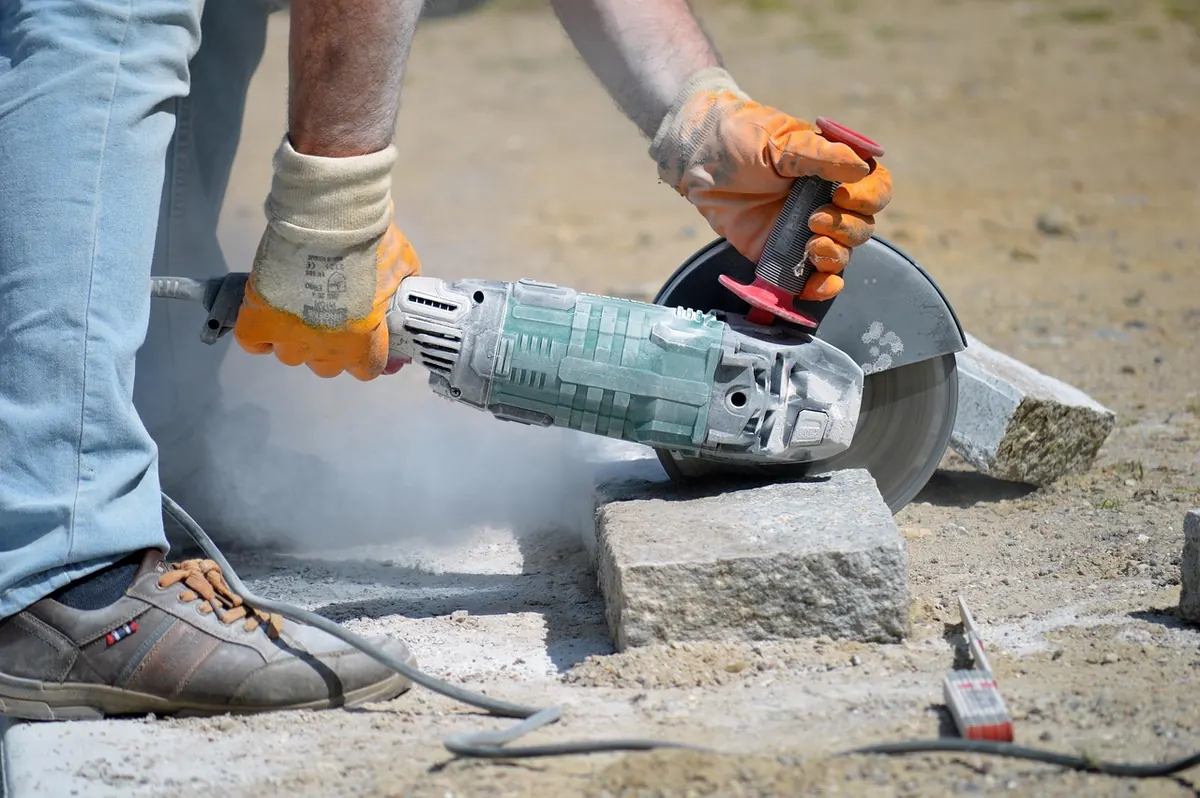
Mistake 8: starting before you've covered anything up. Fine dust travels through a house faster than you'd believe, and cleaning it out of a kitchen or a staircase takes far longer than preventing it. Before the first tool comes out:
Mistake 9: buying the cheapest version of something you'll never see again. Budget sealant goes mouldy in a bathroom within a season. Cheap paint needs three coats where two would do. A tired drill bit rounds off a screw head and turns ten minutes into an hour. Spend on anything hidden or hard to replace — fittings, fixings, sealant, subfloor, underlay — and save on the things you're happy to repaint later. Also check the grade: interior products outside, or standard plasterboard in a shower area, will fail regardless of how well you fit them.
Mistake 10: taking on gas, and electrics that need signing off. Gas work in the UK must be carried out by a Gas Safe registered engineer. That isn't bureaucracy — it's about carbon monoxide. Electrical work has its own rules too, and some jobs are notifiable under the Building Regulations and need a certificate. If you're unsure whether your job falls into that category, check with your local authority building control before you start, not after. Ask your electrician for the certificate and keep it.
Receipts, guarantees and service records are what you have when a fitting fails two years in or when you sell the house. Tell your insurer before major work such as a loft conversion, an extension or a rewire, because undisclosed work can cause problems with a claim. If a job touches gas, fixed electrics or anything structural, get qualified advice — and if you're unsure about insurance cover, ring your provider and ask. It's a free phone call that protects a lot of money.
None of the above needs a course or a van full of tools. Start with the cheap, boring things that stop the expensive ones:
Photo: neelam279 / Pixabay

Spruce up your home with wiring and renovation advice..
Copyright © 2026 Spruce Wire. All rights reserved. Spruce Wire.