
October 10, 2026


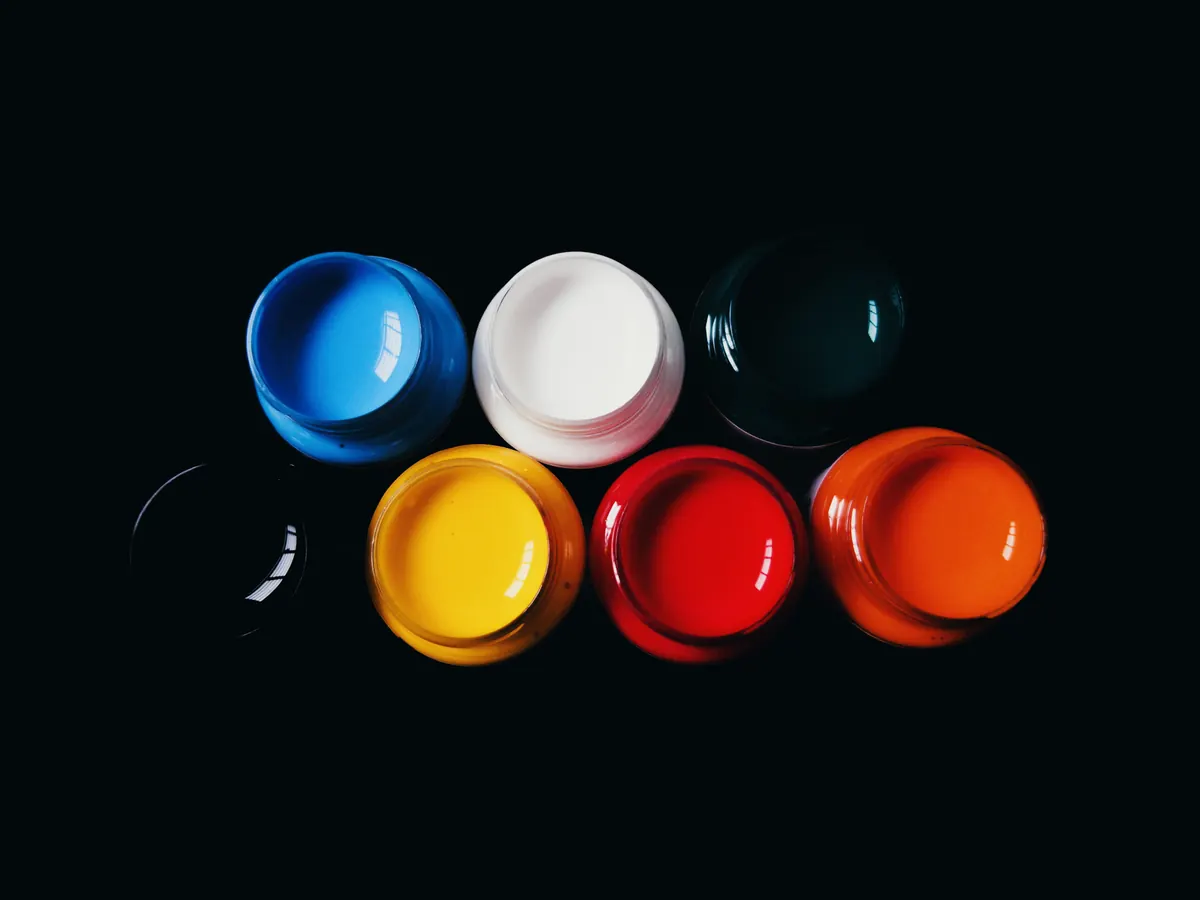
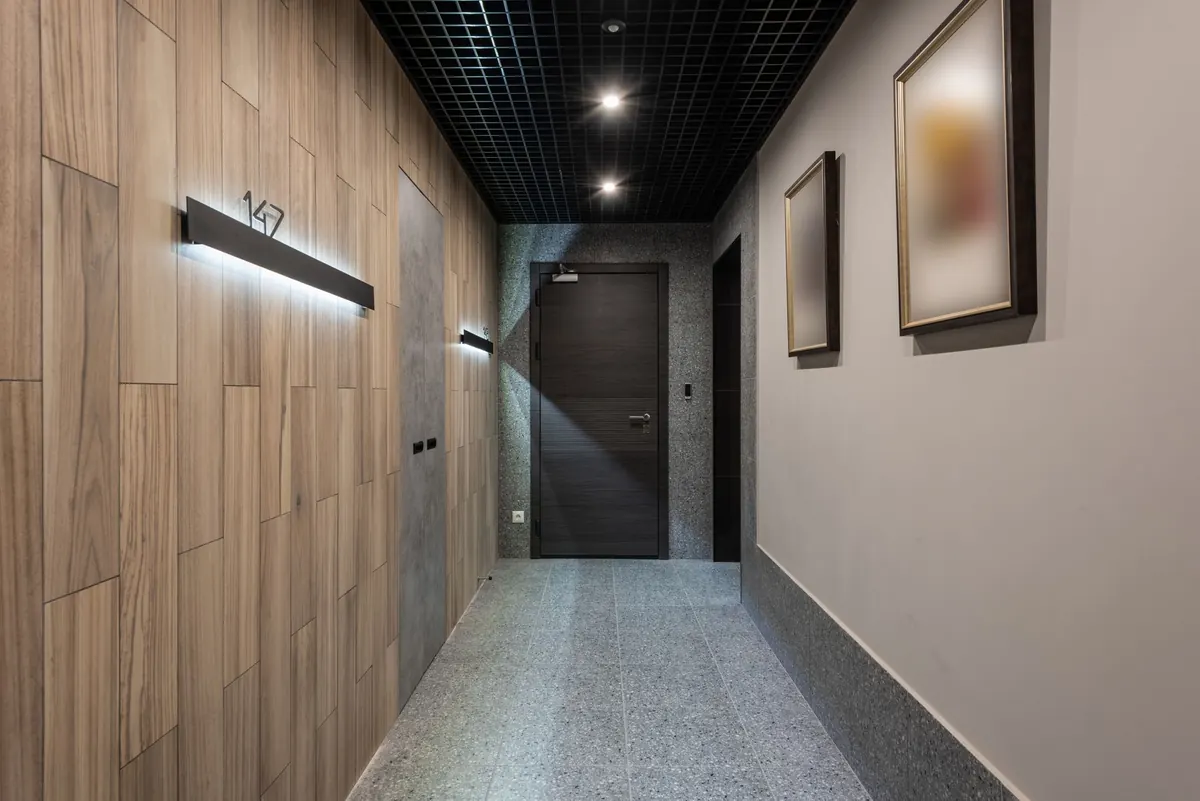
You've stood in front of the colour cards for twenty minutes, finally settled on something called Soft Linen, and then the paint aisle asks a second question: which finish? It matters more than most people expect. The same colour in matt and in silk can look like two entirely different paints on the wall, and a finish that shrugs off a hallway's worth of scuffed school bags will look dreadful in a living room with imperfect plaster.
Here's how the four main finishes behave, and where each one earns its place.
Finish and sheen are the same conversation. The shinier a paint is, the tighter and harder its surface film, and the easier it is to wipe clean. That hardness comes at a cost: glossier paints reflect light, and reflected light shows up every lump, ripple and filled crack in the wall behind it.
So the trade-off is simple. Flat finishes flatter imperfect surfaces but mark easily. Shiny finishes resist marking but flatter nothing. Everything else sits on the spectrum in between, which is why eggshell and silk exist.
Matt paint has almost no sheen. It absorbs light rather than bouncing it, which makes walls look softer and colours look deeper — a real advantage in a living room or bedroom where you want the walls to recede and the furniture to do the talking.
It's also the most forgiving finish over less-than-perfect plaster. Filled hairline cracks, old patches and slightly wobbly walls all disappear under matt far better than under anything shiny.
The catch is durability. Standard matt marks if you look at it sideways, and scrubbing a scuff tends to polish the surface to a faint shine, leaving a patch that catches the light. If you have small children, a dog that shakes itself dry indoors, or a hallway that doubles as a bike store, ordinary matt is the wrong call.
If you love the look but need it tougher, look for a washable or scrubbable matt. These keep the flat appearance but use a binder that survives a damp cloth. They cost a little more, and they're worth it on any wall you'll actually touch.
Eggshell sits just above matt on the sheen scale — a soft, low-level glow rather than a shine. It's tough, water-resistant enough for most rooms, and wipes clean without much fuss. For a lot of homes it's the sensible default for walls in busy areas.
It's also the traditional choice for woodwork: skirting boards, architraves, doors and window frames. A water-based eggshell in a hard-wearing formulation dries quickly, cleans up with water, and stays white far longer than the old solvent-based glosses that yellowed in dark hallways.
These two rooms need moisture resistance and frequent wiping, which usually points to eggshell or a dedicated kitchen and bathroom paint. Kitchen walls near the hob collect a fine film of cooking grease; the splash zone behind a basin gets wet and dries out repeatedly. Both come off eggshell with warm soapy water and a soft cloth.
Bathroom paint labelled moisture-resistant is designed to cope with steam and condensation, but ventilation still matters — paint isn't a substitute for an extractor fan or an open window. If you have persistent damp or recurring mould, that's a job for a damp specialist rather than a new tin of paint.
Silk is shinier than eggshell. It's hard-wearing, very wipeable, and common on walls in hallways and stairwells where elbows and shopping bags make contact. The problem is that glossier surface: on a large wall under a window, silk will happily broadcast every imperfection you spent a weekend filling.
Vinyl matt, meanwhile, isn't a sheen at all — it describes the binder. Vinyl matt is a matt paint with better scrub resistance than a basic contract matt, which is why it's often the budget-friendly choice for a whole-house repaint. It's still matt, so treat it as such.
Gloss is the hardest-wearing finish you'll find on a general decorating shelf. It's the classic choice for front doors, skirting boards, bannisters and window frames, where a surface takes knocks daily and needs to wipe clean in seconds.
Use it on small areas and it looks sharp. Use it on large walls and it looks institutional, and it will reveal every flaw in the plaster. For trim, a water-based gloss or a durable satin is often a better modern choice: satin has a lower sheen than gloss, hides brush marks slightly better, and doesn't yellow the way solvent-based whites once did.
Buy a tester pot and paint a square about a metre wide on the actual wall, in the actual light. Sheen is impossible to judge from a colour chip, and a finish that looks elegant in a north-facing bedroom can look plasticky in a bright kitchen.
Then think about traffic rather than aesthetics for a moment. Walk through each room and ask what touches the walls: hands on the stairs, a bin bag dragged along the hall, steam and splashes, the back of a sofa. That answers the finish question faster than any colour chart.
Finally, prepare properly. Glossy finishes expose poor prep, so fill, sand and dust off before you paint. Use a brush for the edges and a short-pile roller for the flat areas, keep a wet edge to avoid lap marks, and allow two coats. A cheap finish applied well beats an expensive one slapped on.
Photo: Andre Moura / Pexels
Spruce up your home with wiring and renovation advice..
Copyright © 2026 Spruce Wire. All rights reserved. Spruce Wire.