October 10, 2026



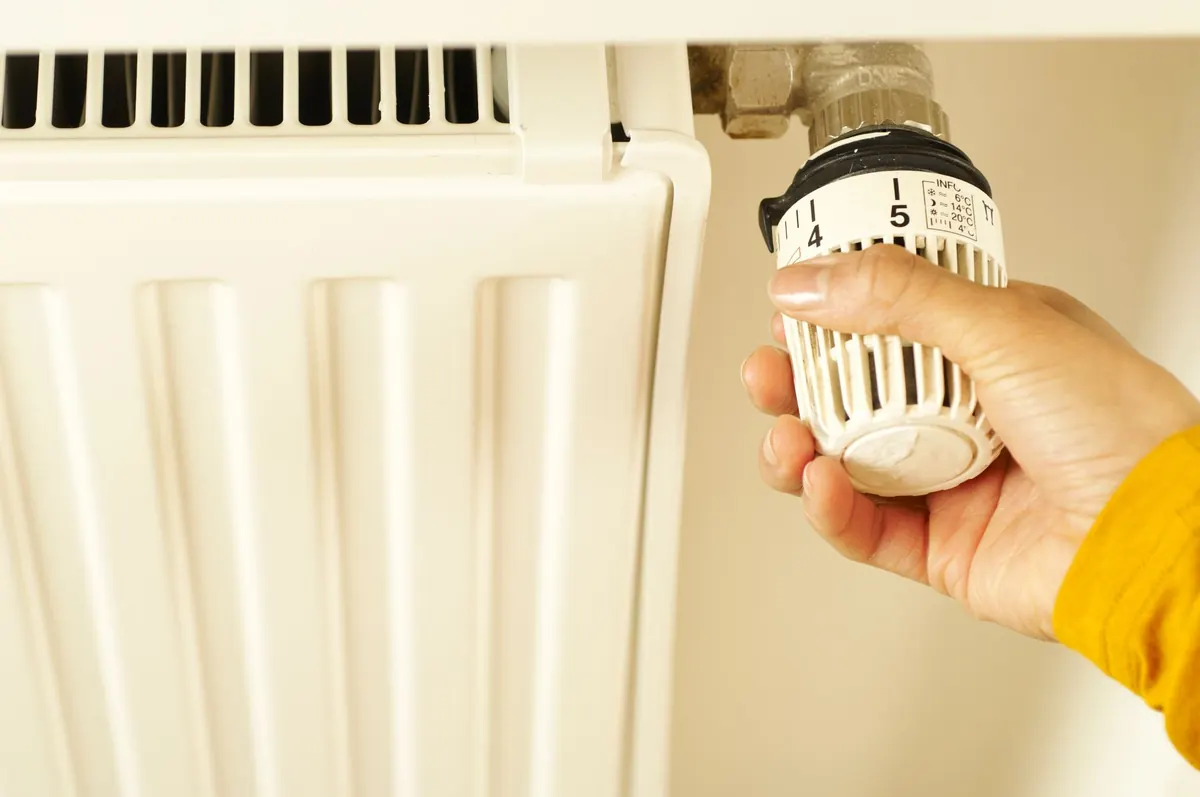
There's a particular kind of winter frustration that every homeowner recognises: the living room is roasting, the back bedroom is barely lukewarm, and the radiator in the hall gurgles like a kettle full of gravel. None of it is mysterious. Trapped air, pressure that has quietly drifted, and valves that were never set up properly will produce exactly those symptoms. All three are fixable in an afternoon with a radiator key, an old towel and a bit of patience.
Air is lighter than water, so any that finds its way into the system collects at the top of a radiator. That's why the classic sign of trapped air is a radiator that's warm along the bottom and stone cold across the top. If you press your hand against the panel and the temperature changes dramatically from bottom to top, you've almost certainly got air rather than a sludge problem.
The other two symptoms are worth separating out before you start. A radiator that's cold at the bottom but warm at the top is usually a sign of sludge or corrosion debris settling in the panel. A radiator that stays cold all over, with both valves open, points to a stuck valve pin or a balancing problem. Diagnose first, then act.
Gurgling, lapping and a hiss of escaping air mean air. Ticking and light knocking as the heating comes on is usually just metal expanding in its brackets — annoying, but harmless.
Either the bleed screw is seized, or the valve is blocked with debris. Don't attack it with force. A seized screw on an old radiator is a job for a plumber, because if it shears off, the radiator has to come off the wall.
Sealed systems — combis and most modern system boilers — run on a pressure gauge, usually visible on the front of the boiler. When the system is cold, most sit somewhere around 1 to 1.5 bar, but check your manual for the exact figure, as it varies between models. Bleeding radiators will drop that reading, sometimes noticeably.
Topping up means opening the filling loop: a braided hose, usually under the boiler, with one or two small taps on it. Open slowly, watch the gauge, and stop when the needle reaches the cold-fill figure. Then close both taps and disconnect the hose if it's a removable type. Leaving a filling loop permanently connected and open is a genuine risk — it can let mains water contaminate the system and push the pressure up every time the heating runs.
Once the heating is on, expect the pressure to rise by roughly 0.3 to 0.5 bar. That's normal expansion. What isn't normal is a gauge that climbs towards the top of the scale, or a system you have to top up every week. Both suggest a leak or a faulty expansion vessel, and neither is a DIY fix.
If you have an open-vented system with a small tank in the loft, there's no gauge to watch. Check instead that the tank has water in it and that the float valve shuts off properly when it's full.
Water takes the path of least resistance. The radiator closest to the boiler gets the lion's share of hot water and the one at the far end of the house gets whatever's left. Balancing is simply throttling the easy ones so the stubborn ones get a fair share.
Write your final settings on a sticker inside the airing cupboard door. It saves hours if someone in the house decides to "helpfully" turn everything.
Cold radiators at the bottom, brown water when you bleed them, or a system that never quite gets hot all point to sludge, which needs a chemical clean or a power flush. Anything involving the inside of a boiler casing, gas pipework or a pressure loss you can't trace is a job for a Gas Safe registered engineer in the UK — that's a legal requirement, not a suggestion. If you rent, the heating system is your landlord's responsibility, so report it rather than reaching for the key.
Bleed your radiators once at the start of the heating season, check the boiler pressure every month or so, and leave the filling loop disconnected. Don't drain the system unless you have to, and if you ever do, make sure an inhibitor goes back in. That small routine keeps the whole thing running quietly, keeps the gas bill honest, and means you'll notice a genuine fault long before it turns into a cold house in January.
Photo: BOOM 💥 Photography / Pexels

Spruce up your home with wiring and renovation advice..
Copyright © 2026 Spruce Wire. All rights reserved. Spruce Wire.